
“The history of our race, and each individual’s experience, are sown thick with evidence that a truth is not hard to kill and that a lie told well is immortal.”
Mark Twain
As much as I love history, it’s been only recently that I’ve learned that those people who study history, those who get PhDs in history, learn history a bit differently from the rest of us. They are trained to see history through the eyes of those who lived it in the context of the times.
While you and I struggle with the concepts of liberty in a nation that was built upon slavery, it’s those students of history at our universities who study slavery from the viewpoint of the slave, of the master, of those who were for and those who were against slavery. A real eye-opener for the rest of us is to read the works of Frederick Douglas. There was a passage I had to read over and over to grasp. He wrote of seeing poor white families and thinking that the reason they were poor was because they had no slaves, rather than they were poor and could not afford slaves.
This is an interesting distinction.
Critical Race Theory
The purpose of this piece really has nothing much to do with CRT, but it must be mentioned because it was historians who created these courses, and historians who both teach and learn these courses, and the backlash from the coursework never came from anyone educated in this and related subjects.
First we need to define CRT:
Critical race theory is an academic concept that is more than 40 years old. The core idea is that race is a social construct, and that racism is not merely the product of individual bias or prejudice, but also something embedded in legal systems and policies. [Ref]
In 2019, nobody knew, or cared, for that matter, about CRT. Despite what anyone has heard about CRT, its purpose is to teach history, to teach history to those who will teach history, and to start a dialogue.
It is a college level course that deals in concepts that young children cannot understand, and yet the crazies are calling on it to be banned from schools (in which it was never taught and never will be taught).
The critics (uneducated, I might add) claim that it teaches white people to hate themselves.
The backlash to CRT was never a grass roots movement. It was started by the moneyed to maintain social and wealth inequality, while tossing red meat to the bigoted and distract everyone from the rise of fascism in the US. Like Hitler, those leading the fascist movement today know that they can unite people in a common hatred.
For insight into the backlash from the far right (which has grown into an anti-woke movement) go here: The obscure foundation funding “Critical Race Theory” hysteria.
Once again: we do not learn history the way PhD students learn history. Their job is to teach. Our job, as citizens, is to be well informed.
“History is written by the rich, and so the poor get blamed for everything.”
Jeffrey D. Sachs (economist)
“History is written by the victors.”
Winston Churchill
We Never Stop Learning
Although, I prefer to state it this way: We should never stop unlearning.
In this life, we’ve learned way too much crap; inaccurate, mendacious, and just plain wrong. We should all know the quotations about “the big lie,” and yet, at some time we’ve all accepted lies as the truth.
Unlearning can be very helpful as well as cleansing.
And since most of us (most of our readers) have long since graduated from high school, where do we learn history today?
Some of us read (or listen to audiobooks, since our eyes have grown old), and some of us watch historical documentaries.
It’s when history decorates itself with a bit of fiction, that the truth starts to transmogrify.
Now when writing an historical novel, because we don’t know everything (private conversations, interactions, and little details) the author must add all this in to bring the material to life for the reader, thus a bit of fiction is needed or most people would say, “Oh I had no difficulty putting that book down. In fact, I threw it down with great force.”
And since what is written, if well received, will eventually be up on the big screen or home screens . . . this is where I was going in the first place.
The History Channel
In the nineties, I used to call the History Channel, the Hitler Channel, because every time I turned it on, there was Hitler parading, speechifying, and dancing. [I love Mel Brooks’ take on Hitler when he called him a snappy dresser and a really good dancer.]
When the History Channel shows a film, I’m sure it’s no great stretch to think that the film is going to be factual. After all, it is the History Channel. Taking into consideration that a bit of fiction, as mentioned above, has to be included to bring the story to life, still we should, I believe, expect an historical presentation.
Not so fast.
A while back they presented a film on Houdini in two parts. The thing about that film was that directly after airing, the Internet was alive with fact checking. There were so many factual errors that people, like myself, were amazed that it had aired on the History Channel.
The Two Historical Subjects Most Written About
My brother, a surgeon, writes about the history of medicine. He once told me that the two most often written about subjects in history are Jesus Christ and the American Civil War.
And yes, he’s written about medicine from the Civil War period.
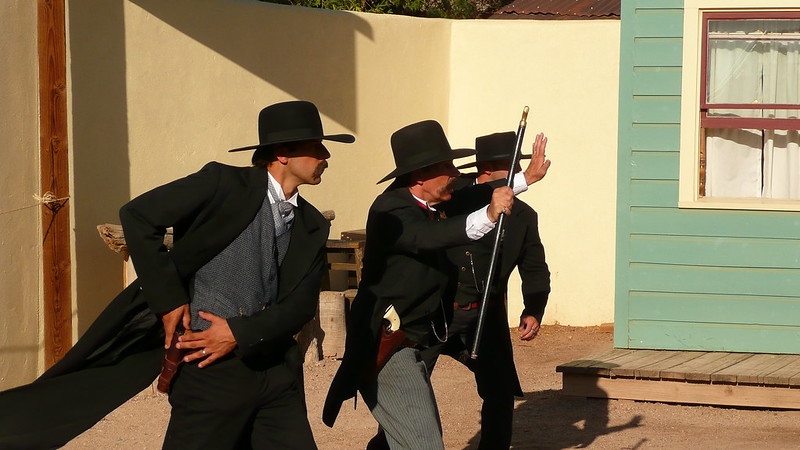
However, there is one subject in our collective history, in our American history that is most often romanticized and most often written about, and that’s the Wild West, which is a tiny bit ironic since that period lasted just a little more 25 years.
And from that Western Era, the most iconic, most paradigmatic, and most famous gunfight ever written about is the Gunfight at the OK Corral.
And this is exactly where I’ve been heading all this time.
In the past week, I’ve watched at least five films and read two books about that gunfight (am still watching more that I’ve found), and the subject is always so astonishingly fictionalized that were the Earp brothers alive, they’d not recognize that gunfight, though they’d be filled with unrestrained pride for being canonized by Hollywood and the American public.
Fun Fact #1: the gunfight didn’t take place at the Ok Corral. It was about five or six doors down, next to a photography studio.
Really Not That Long Ago
We tend to think of the wild west as being eons ago, and yet Wyatt Earp died less than 100 years ago in early 1929 at the age of 80.
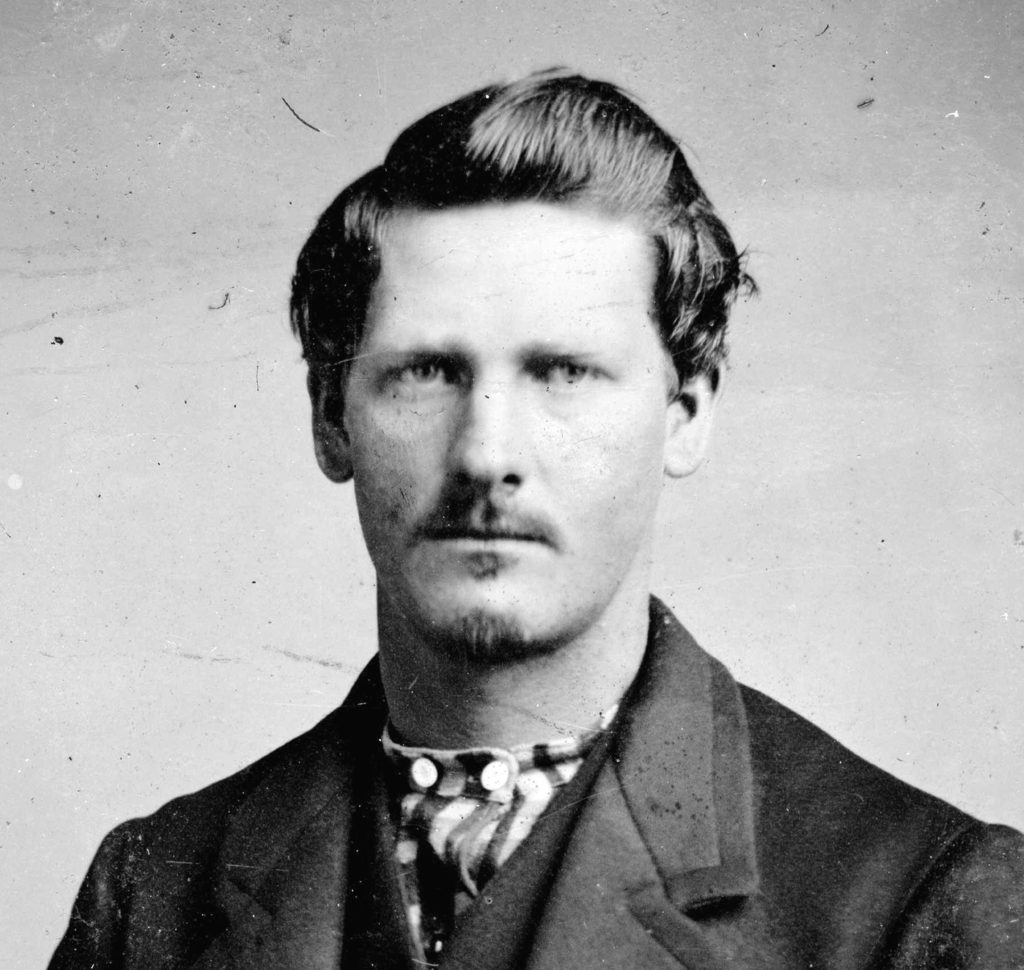
And as historically popular as that famous gunfight is, most Americans hadn’t even heard of it until Stuart Lake (a pro wrestling promoter and press aide to Teddy Roosevelt) published the biography: Wyatt Earp: Frontier Marshal in 1931.
The first film about Earp was based on that book, and highly fictionalized. It was Frontier Marshal, with Randolph Scott as Wyatt Earp and Cesar Romero as Doc Holiday. Earp’s brothers Morgan and Virgil weren’t even in the film. But it was the second film, My Darling Clementine directed by John Ford that lit a fire under my butt to write this.
I loved it, but I laughed all the way through it, because I know the history of the Earps, the Clantons, the McLaurys and the history of that famous shootout, but so little in that film, called by critics as Ford’s best, was even close to factual.
The Western Genre
Every boomer in America grew up with Hopalong Cassidy, The Lone Ranger, Gunsmoke, The Rifleman, and Bonanza. Lots of Bonanza.
Here’s a little story: I flew Cobra gunships in Vietnam. Returning home, friends were agog that I could sit and have a conversation all the while listening to those conversing around me and never lose my train of thought. This was because, while flying around Vietnam, we monitored at least three radios: our scout, a lead craft or wing man, the Command and Control aircraft, sometimes home base, and oftentimes those on the ground whom we were sent to protect. On top of all that, we listened to music on station AFVN. (Why I remember that call sign I’ll never know because I’ve reached and age where my memory is but a memory.) We loved our radio station. I recall one time rolling in on a rocket-run with Raindrops Keep Falling On My Head playing in my headphones.
Where am I going with this? Okay: Once while covering a scout buzzing around the tops of the trees below, the William Tell Overture came on just as the scout got into a pissing contest (took fire) with the VC on the ground. As I broke to lay down some rockets, normally we’d call back, “Inbound, hot!” But not that time. I called out, “Hyo Silver! Away!” [Sometimes I crack myself up.]
The thing is, Westerns were integral to growing up in America at that time, and I’ve got two more personal stories to prove it.
First: I do not remember exactly where we were going. I was only 4 years old, and the only reason I remember this is because my mother told it so many times. We were heading to a cemetery. It might have been to visit her father’s grave, but again, I don’t remember.
On the way, realizing we were visiting a grave, something containing a dead person, I asked, “How’d he die? Shot or hung?”
Years later, I must have been 12 or 13 years old, the family went to a local “dude ranch” to trail ride. One of the guides hoisted us up on our horses. The moment I was in the saddle, I gave a kick and took off, racing around the trails (which were clear), and stopping on a mound to wave back at the family. I learned later that the guide had asked my father where I’d learned to ride. My father told him that that was the first time I’d ever been on a horse.
As for myself, I didn’t know what the problem was. Didn’t everyone know how to ride? Didn’t they watch TV? Cowboys who flunked third grade could ride a horse.
I really did not understand.
And even today, my neighbor (now moved away) who taught riding often told me I was the most natural rider she’s ever known. For a while I had the most wonderful quarter horse in the county. The poor guy died from Lyme disease.
Where the Hell Is This Guy Going?
I’m glad you asked. I’ve already written an article about how nearly everything we’ve learned on TV and in the movies is wrong: Bugs Bunny Killed My Pet Rabbit. Well, not everything, but if an ambulance arrives on scene where someone’s had a heart attack, a defibrillator isn’t going to help . . . though it does in Hollywood. We watch movies and TV shows to escape reality, and when you do that, you willingly accept myths, untruths, fabrications, falsehoods, and fictions.
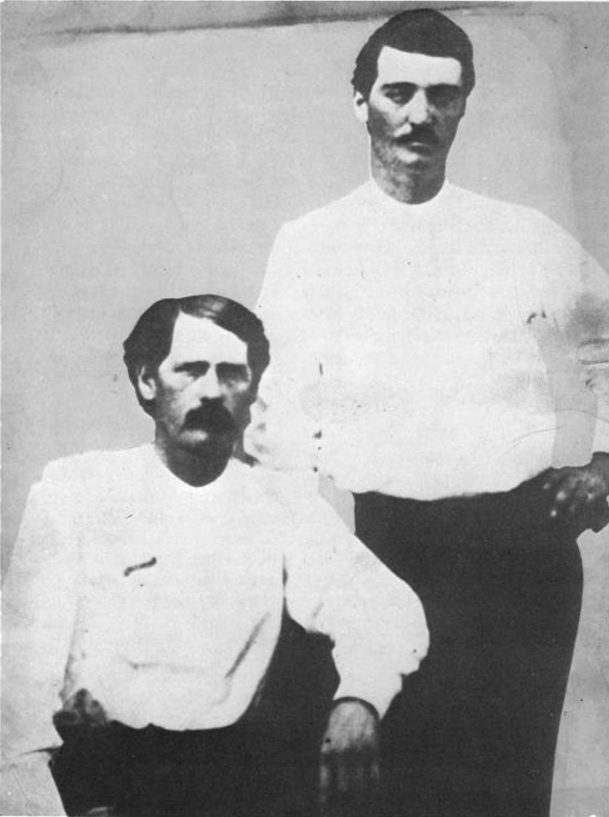
But some of these fictions drive me up a wall. They are so glaringly, in-your-face misrepresentations of fact that, myself, I’m often taken aback and I wind up googling all through the show to ground myself with actual facts (the journalist in me).
The subject here is the Earps and the gunfight at the OK Corral, and how the Earps and the shootout has been misrepresented by Hollywood. As a retired educator, I thought perhaps it’s time to teach a bit of history. However, this is just a taste. Everything in the article had to come from somewhere, and I’m going to point to those somewheres so that, if you want, you can learn still more. It’s the glaring errors, fictions, and mythologies that I shall touch upon, simply because while enjoying the heck out of Hollywood’s presentations, the crap jarred my poor brain (which has just received an MRI . . . so, yes, I’ve got one!) inciting me to do something.
This is that something.
Tombstone Arizona
I do know that I was just 14 years old when the family travelled out west (to Disneyland, of course). Since we were in a motorhome, we made many, many stops along the way, and my favorite stop, besides Mexico where I burned my tongue on all their hot peppers (and loved it), was Tombstone.
Tombstone, Arizona is a tourist trap. Boothill Cemetery refurbishes all their wonderful headstones (made from wood) often enough. The streets look almost like the original. I loved the saloons, the Bird Cage Theater, and the OK Corral.
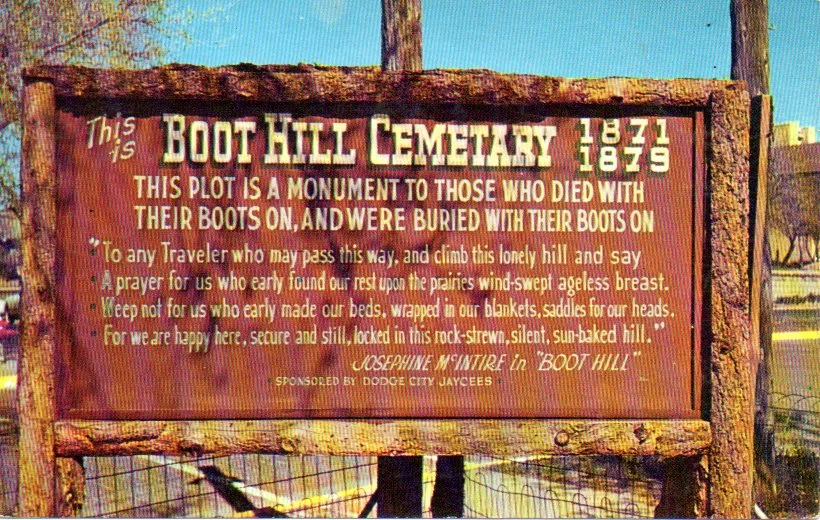
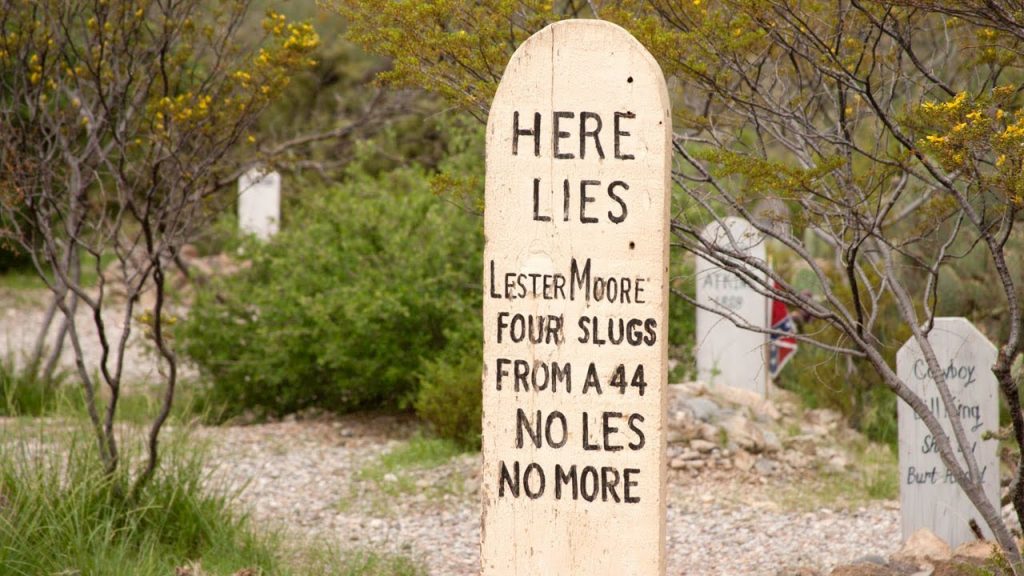
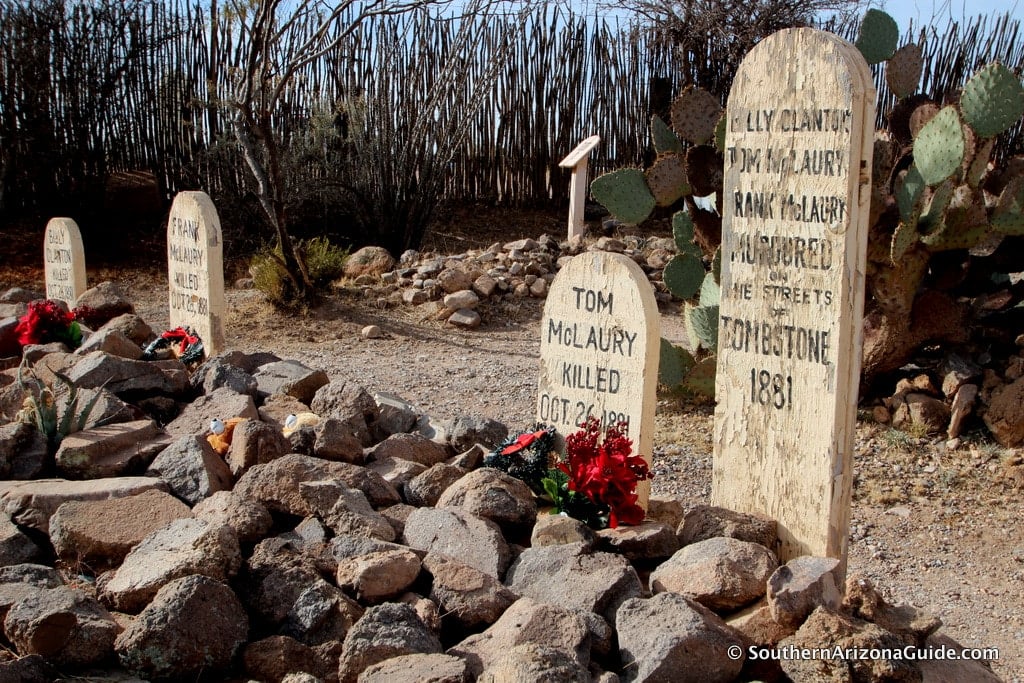
In Tombstone, my favorite thing of all was “the talk.” We didn’t stay for the reenactment of that famous gunfight. We listened to a grizzled, old cowpoke who told us the story of the shootout and I remember much of it to this day. That, in fact, is the foundational reason I’m writing this. The real story is very, very different from the Hollywood versions, many of which I’ve recently watched.
I must admit that of all the films dealing with the shootout, Tombstone, with Kurt Russell, Val Kilmer, Sam Elliott, Bill Paxton, et al. came closest to the truth, the actual gunfight. Sure, they took a bit of liberty, especially after the murder of Morgan when Wyatt took off to slaughter who knows how many, but still the portrayal of the gunfight is the closest to the truth.
And you must keep in mind that there was, way back then and still today, controversy over this shootout. For one thing, eye witness accounts vary. Another problem is the guns of those days fired a black gunpowder that made some thick, black smoke blocking the view of eye witnesses. This piece takes into account all the versions of the shoot out, and even the court records, because when it was all over, the Earps and Doc Holliday were arrested for murder, tried, and acquitted. Much of what we know about the shootout comes from the court notes.
But since the films all start prior to the shootout, we’re going to have to clear up some of those mythologies and fictions too.
For instance, I’ve just read that book that brought Wyatt Earp into the American consciousness, Wyatt Earp: Frontier Marshal, by Stuart N. Lake.
In it Wyatt tells of his buffalo hunting days prior to becoming a lawman.
Balderdash. Yes, that’s all balderdash. Wyatt never hunted buffalo. That was just part of his self-promotion.
He was a troublemaker and a pimp. Around the age of 20, he got into his first gunfight in Beardstown, Illinois. A railroad man by the name of Tom Pinard kept calling him “the California boy,” which at that time meant “coward” because to avoid serving in the Civil War, young men would move to California. But during the Civil War, Wyatt was just 13 and his father wouldn’t let him join up.
Push came to shove and the two exchanged shots. Pinard was wounded in the hip.
Where did this gunfight take place? In a brothel.
In the 1870s, Peoria was the sin city of the Midwest where the city fathers ignored the liquor laws, the gambling laws, and encouraged all variety of vices. Wyatt and Morgan were arrested for “keeping and being found in a house of ill-fame,” February 24, 1872. The following May they were arrested again for the same crime. In September, Wyatt was arrested again, but this time aboard a floating brothel. The Peoria Daily National Democrat referred to him as “Peoria Bummer,” putting him in the same class as loafers, beggars, and tramps.
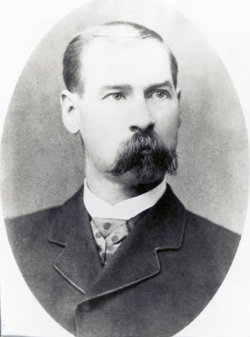
Arrested with Earp in Peoria was Sarah Earp, also known as Sally Heckell, a sixteen year old prostitute. In 1874 Earp and Sally went south to Wichita where his brother James ran a brothel.
In the film My Darling Clementine, James is their little brother. He’s even killed at the beginning of the movie. He was shot in the back by the Clantons while they rustled the Earps’ cattle. None of that is even close to the truth. James was born 7 years before Wyatt and he lived to the ripe, old age of 84. The Earps never herded cattle.
Sally and Bessie Ketchum, James’ wife, managed the brothel up to the middle of 1876, and according to the 1875 census, Sally was no longer living with the Earps.
Wichita was a railroad destination for cattle drives from Texas. During those times, the city was bustling with drunken, armed cowpokes celebrating, and feeding the Earp’s coffers. When the drives ended, Wyatt Earp searched for something else to do.
The Wichita City Eagle reported in October of 1874 that young Wyatt had helped an off-duty police officer locate the thieves who had stolen a wagon. In April the next year, Wyatt officially joined the Wichita marshal’s office making $100 per month. [In today’s money, that’s over $2,500.00.]
Just over a year later, Wyatt’s stint as a deputy marshal came to an end when a former marshal accused him of using his office to hire his brothers. Wyatt beat him up, was fined $30 and the city council voted against rehiring him.
It was in Dodge City, Kansas where Wyatt was appointed assistant marshal around May of 1876. It was there he met a prostitute by the name of Mattie Blalock who became his common law wife until 1881. [Ref Most of this history is from Wikipedia, but as a journalist I check references. All the articles and books going into this piece will be listed at the end in Further Reading for those who want to delve deeper.]
Because of a tick that spread Texas cattle fever, a quarantine line was created which moved further and further west, and soon Dodge City became the Midwest cattle town. Wyatt’s brother James and his wife moved their brothel west to Dodge City, and Wyatt soon followed.
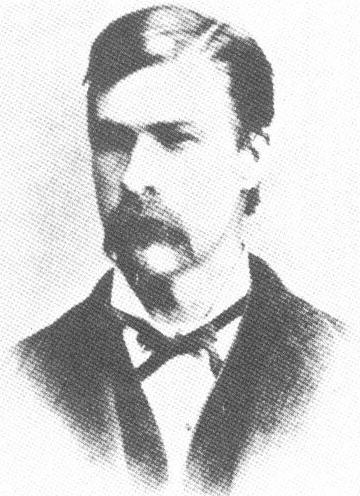
In September, he and Morgan left Dodge for Deadwood in the Dakota Territory, only to find that all the land was already taken by mining claims. Morgan decided to return to Dodge, while Wyatt stayed and hauled firewood. He made about $5,000, but not being able to file any mining claims, he returned to Dodge City in the spring.
In October of 1877, Dave Rudabaugh robbed the Santa Fe Railroad construction camp and Wyatt was commissioned as deputy marshal and charged with chasing down Rudabaugh. He wound up in Fort Griffin, Texas nearly 400 miles south of Dodge. He entered the largest bar, the Bee Hive Saloon, which was owned by John Shanssey, someone Wyatt had known for years, and Shanssey told him that Rudabaugh has been through there a week earlier. Shanssey then told him to ask the gambler, Doc Holliday, since he’d played cards with Rudabaugh.
Doc told Wyatt that Rudabaough had headed back to Kansas.
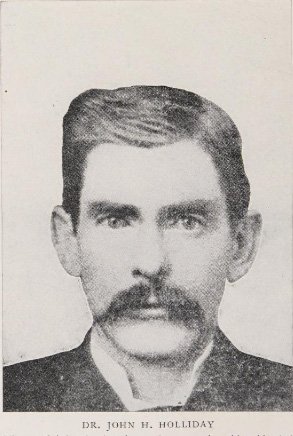
In the first two films made on this subject My Darling Clementine and Frontier Marshal, Wyatt meets Doc Holiday for the first time after he arrives in Tombstone. In My Darling Clementine, Doc is killed at the OK Corral. In Frontier Marshal, Doc is killed before the shootout on the streets of Tombstone. In reality, Doc Holiday was wounded only slightly in the shootout, and died about six years later in Colorado, hospitalized with tuberculosis.
Wyatt returned to Dodge City that next year and was appointed Assistant Marshal for $75 per month. Later that year Doc Holliday showed up in Dodge City with his common law wife known as Big Nose Kate. Just shortly after that, Ed Morrison and two dozen cowboys (keep in mind the term cowboys meant criminals, cattle rustlers, and gun slingers) rode into Dodge shooting up the town. They went into the Long Branch Saloon, broke up the place and harassed all the customers. There are at least two stories of what happened next, but it was there that Doc Holiday saved Wyatt’s life.
Wyatt had heard a commotion, and burst through the front door only to find guns trained on him. Holliday was in the back playing cards, and he pulled out a pistol and held it to Morrison’s head, telling everyone to put down their guns. Thus the two became life-long friends.
In the 1957 film, Gunfight at the O.K. Corral, Wyatt and Doc have a very strained relationship, but then again, there’s hardly anything in that film that’s based in fact. It’s just a great western.
In the first two films, Wyatt Earp is made marshal right after he arrives in Tombstone. That’s not true at all. Virgil Earp was the marshal. It wasn’t till after the attempted assassination of Virgil Earp that the Governor made Wyatt the Marshal.
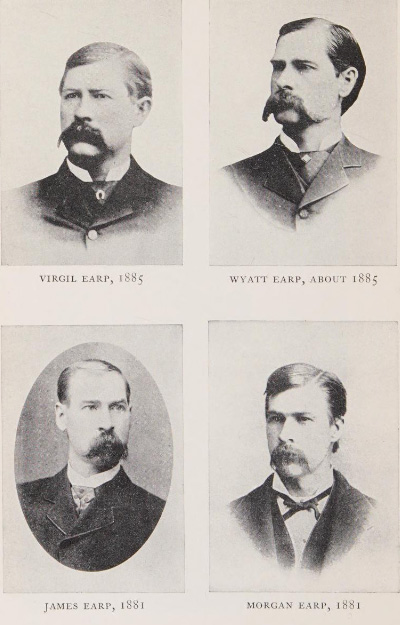
From the book, Wyatt Earp: Frontier Marshal: “Governor Gosper invested Marshal Wyatt Earp with complete powers of law enforcement and appointed under him deputies named the Vigilantes: Morgan and Warren Earp, Doc Holliday, Sherman McMasters, Texas Jack Vermillion, and Turkey Creek Jack Johnson. He authorized Wyatt to appoint other deputies, and placed five thousand dollars to Wyatt’s credit in the local bank.”
Because his duties included protecting the stage coaches, Wells Fargo and the Southern Pacific Railroad matched that five thousand dollars, with the citizens of Cochise Country kicking in another five thousand.”
You should know that the term Vigilantes doesn’t mean the same as today. They were “deputized assistants” sort of like posses. It’s capitalized because they were actually chosen by the law enforcement to assist.
Doc is an interesting character. He had a reputation of a killer, but historians have been unable to find any of the people he supposedly killed. They seem to agree that he probably killed only two or three people, one of them being Tom McLaury at the shootout at the OK Corral; killed by the short coach gun Doc had under his coat. Doc disliked shot guns, by the way, and often turned them down when offered.
When it comes to Westerns, Hollywood has created innumerable mythologies over the years such as the quick draw, fanning a pistol, and especially shooting accuracy. My favorite myth is shooting a gun out of the hand of an opponent. That never happened. Oh, except during the actual gunfight between the Earps and the cowboys. But it was just an accident, or lucky shot.
In writing this, I’ve learned that fanning a pistol is a great way to destroy that pistol. Besides, it’s horribly inaccurate. And speaking of accuracy, movies depict an impossible accuracy with pistols. In the Wild West Sideshows, gun slingers would often shoot things tossed in the air with their pistols, but they don’t tell you that they’re firing birdshot (tiny shotgun like pellets loaded into the shells).
I remember as a kid reading one of Ripley’s Believe It Or Not books, and learned that Wyatt Earp chased someone around a bar firing both six shooters and never hitting him once.
No gunslinger in the old west ever hit a coin tossed in the air with his pistol.
But when it came to actual gunfights, Wyatt Earp practiced what he preached: Hold steady, take aim, and shoot. The publication of Lake’s 1931 book made Wyatt Earp larger than life, but digging through the mythology surrounding him, one thing is certain: the real Wyatt Earp stands pretty damn tall. He was cool and courageous. In the shootout at OK Corral, he stood still and fired. Mythology be damned, the guy never got hit. The man was fearless.
The Film Tombstone
In the opening of this film we get our first myth: that The Cowboys, the rustlers, robbers, and all around bad guys, wore red sashes.
From True West Magazine we get: In the movie Tombstone, the Cowboys are identified by the red sashes they wear around their waists. That never happened (although it made for a great story).
Supposedly there was a Red Sash Gang in Wyoming, operating in the late 1880s and early ‘90s, stealing cattle, making false land claims, and killing folks as they fought the large cattle ranchers for control of the range.
That probably wasn’t true either. The cattle ranchers likely made it up after the fact, to paint their Johnson County War opponents as criminals and outlaws. [Ref]
However, of all the films on this subject, Tombstone handles the actual gunfight at the OK Corral closest to the actual event, even considering that during a shootout, nobody knows everything that went on. Bystanders all see something different, and most of what we know about this event comes from court testimony and coroner reports, but even the testimony differed about what was said and who shot whom.
And as mentioned above, their black gunpowder emitted a black smoke, and with all those guns going off at once, a black cloud hovered over the fighters that few people could see through.
However, the biggest myth of them all is that it all took place at the OK Corral.
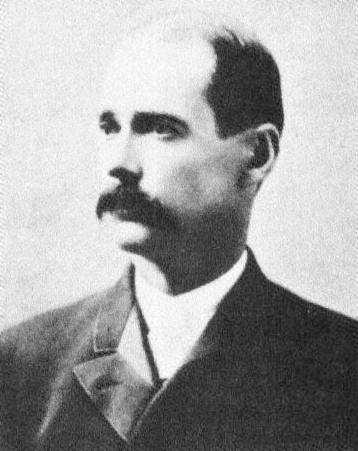
It did not. It took place next to C S Fly’s photography studio, six doors down from the rear of the OK Corral. And it took place around 3:00 PM, not at sunrise as the first two films made tell us.
We do know that on the way to the fight, they met Sheriff Johnny Behan who told Earp and the others that he’d disarmed the Clantons, the McLaurys, and Billy Claiborne. So they all holstered their guns.
Behan lied.
In the movie Tombstone, as the Earps and Doc Holliday come around the corner, they find themselves face to face with the cowboys, just about six to ten feet away. The film handles this to perfection. It is so close to the actual history, that when I see it, I get goosebumps.
Virgil is first to speak saying [this is from court transcripts] either “Throw up your hands, I want your guns!” or ”Throw up your hands; I have come to disarm you!”
Billy Clanton and Frank McLaury drew and cocked their single action six shot revolvers, and Virgil yelled, “Hold! I don’t mean that!” or “Hold on, I don’t want that.”
No one knows who shot first. Loyalties prejudiced testimony, creating conflicting stories. The black smoke just added to the confusion.
Wyatt testified in court that Billy Clanton took aim at him, but he knew that Frank McLaury was a better shot, so he fired at Frank hitting him in the midsection: “The first two shots were fired by Billy Clanton and myself, he shooting at me, and I shooting at Frank McLaury.”
Tom McLaury quickly got behind his horse, and in good old Hollywood tradition, Tombstone has Doc Holiday pull out his shotgun, fire it into the air to scare the horse away, and then he fires at Tom. What really happened was Doc just stepped around the horse and fired, hitting Tom in the chest at close range.
In the 1967 film Gunfight at the OK Corral, the shootout lasts five minutes. In the film Tombstone, it lasted just about a minute.
In reality, about thirty shots were fired in thirty seconds.
Billy Clanton’s right hand, his gun hand, was wounded quickly by Morgan Earp, and he switched hands firing with his left. It was probably Billy who shot Morgan Earp in the back, wounding both shoulder blades. In Tombstone, Billy gets hit four or five times and dies on the spot. In reality, he was hit twice more, once in the gut and once in the chest. He staggered and finally fell sitting up against the Harwood house. To this day I remember the old guy who described the gunfight to us. He told us that as he lay dying, Billy pleaded for someone to reload his pistol for him. The owner of the photography studio, C S Fly took his pistol out of his hand after the shooting had stopped.
Billy was just a kid, just 19.
For several months, Ike Clanton had been bragging that he was going to kill the Earps and Doc Holliday. As soon as the shooting started, Ike ran to Wyatt crying that he was unarmed and didn’t want to fight. Wyatt looked down at him saying, “Go to fighting or get away.” Clanton ran to Fly’s boarding house and escaped, though some accounts say he drew a hidden pistol and fired before disappearing inside.
Tombstone, the film, placed Ike inside the photography studio where he took a gun from one of the people inside and started shooting through the window at the lawmen.
At one point in the film, Doc tossed away the shotgun, pulled out his nickel-plated revolver and fanned it. Doc knew better. That would have destroyed his pistol. He did toss the shotgun, but continued to fire at Frank McLaury and Billy Clanton.
After the shootout, Sheriff Behan approached Wyatt saying, “I will have to arrest you,” to which Wyatt paused, looked up, and said quite firmly: “I won’t be arrested today. I am right here and am not going away. You have deceived me. You told me these men were disarmed; I went to disarm them.”
Today we all know, or should know, that freedom of the press means you can lie your ass off and call it the truth.
In Tombstone, Arizona at that time, there were two newspapers:
The Nugget—friendly to Sheriff Behan and the Cowboys.
The Tombstone Epitaph — friendly to the truth.
The Nugget was out to get the Earps, publishing all sorts of libel and making charges against them.
The Epitaph was a bit more careful.
Ike Clanton wanted everyone arrested for murder. He (and the Nugget) claimed that Tom McLaury was unarmed. Earlier that day when Tom came to town, Wyatt asked him if he was armed (heeled, in those days). Tom lied and said he wasn’t. There was an ordinance that you left your guns with the authorities when you arrived in town. Violating that ordinance was a misdemeanor.
Wyatt looked down and saw that Tom was carrying a pistol, and so he whipped out his pistol, which he was authorized to carry, and smacked Tom with it twice, leaving him lying in the street bleeding.
The Nugget ran with that story and so, where was Tom’s gun?
The Epitaph, however, quoted Ruben F Coleman, a bystander who had witnessed the fight: “Tom McLaury fell first, but raised and fired again before he died.” Coleman later equivocated on that point, but Virgil testified at the trial that Tom had tried to pull a rifle from the scabbard on his horse before he was killed. It turns out that the judge felt that gun or no gun, Tom McLaury was in the wrong place at the wrong time, and that’s what got him killed. Billy Claiborne had known better. Unarmed, he got his ass out of there as soon as the shooting started.
Back To the Gunfight
After Doc blew a big hole in Tom McLaury’s chest, he dropped the shotgun and pulled out his nickel-plated pistol and started shooting at the two Cowboys still standing: Frank McLaury and Billy Clanton. Tom McLaury just walked away and then fell onto the street. Both Frank and Billy were dying, but stayed in the fight. Morgan Earp took a bullet through his calf, most likely shot by Billy Clanton, and Frank McLaury led his horse out into Freemont Street while still shooting. One of his shots hit Holliday’s pistol pocket grazing him. That pissed him off and he took off after Frank screaming, “That son of a bitch has shot me and I am going to kill him.” Morgan, on the ground wounded, got up and also fired at Frank. Frank fell onto the sidewalk across Fremont Street, and did not move. A passerby testified that he had stopped to help Frank, saw him trying to speak, but died right there with a bullet hole under his right ear. That shot came from either Doc or Morgan, but no one really knows.
The Outcome
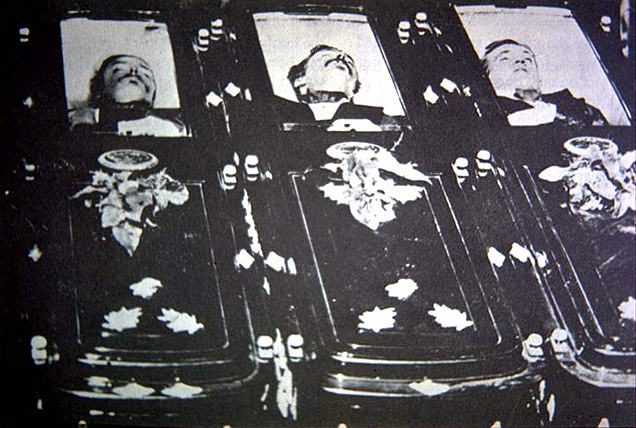
Passersby carried Billy Clanton and Tom McLaury into the Harwood house. Tom died without ever saying a word. Billy asked the doctor for morphine. Billy told those near him, “They have murdered me. I have been murdered. Chase the crowd away and from the door and give me air.” Someone else heard him say, “Go away and let me die,” which were probably his last words.
Frank McLaury lay dead in the street with a bullet to his abdomen, shot by Wyatt, and one to the brain.
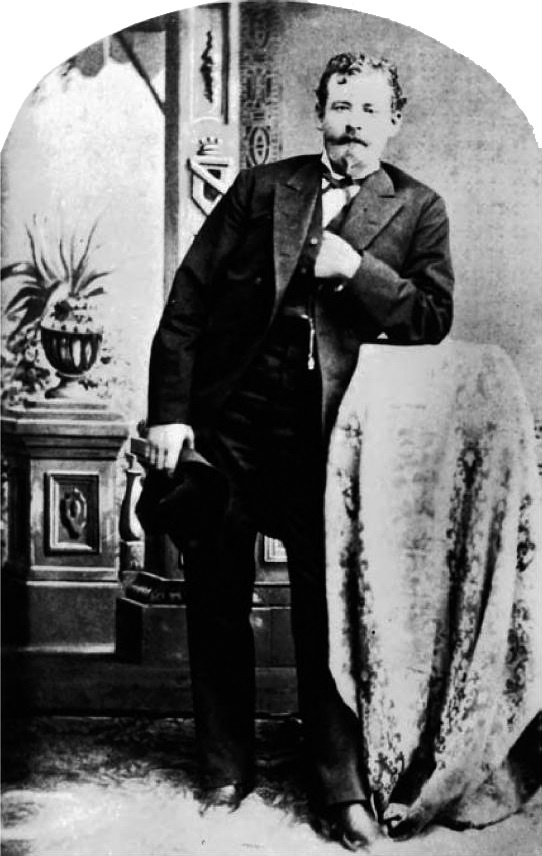
Virgil was wounded in both shoulder blades, Morgan took one in the calf, and Doc had been grazed in his hip. Wyatt was untouched.
At the trial, Ike Clanton claimed that his gang had their hands in the air and were willing to give up their guns, but the coroner’s report showed that, because of the location of the bullets, and how they penetrated their clothing, that their hands could not have been in the air.
The Earps and Doc Holliday were acquitted.
After the shootout, the movie Tombstone has Virgil and Morgan getting shot on the same evening. Not true.
The Cowboys attempted to assassinate Virgil two months after the shootout, on December 28, 1881. Morgan was murdered in March of 1882.
Virgil took three shotgun rounds in the back, permanently crippling him. The Cowboys got off on a technicality.
This is interesting. Morgan had been shot playing pool (as portrayed in the movie Tombstone) and his friends tried to lift him to his feet. He responded with: “Don’t, I can’t stand it. This is the last game of pool I’ll ever play.” Wyatt did not plan on being in that saloon that evening, but showed up anyway. The Cowboys also tried to kill him that night, but couldn’t get a good shot.
Morgan had held an interest in, and had done some reading about death. He even got Wyatt to read some. Through his reading, Morgan had learned that many people who were about to die saw visions of heaven.
Morgan called to Wyatt to come closer and whispered something to him. Wyatt had never told anyone what Morgan had whispered, that is until Stuart Lake interviewed him before his death.
Morgan had whispered, “I can’t see a damned thing.”
His last words were, “Take care of yourself, Wyatt.”
The courts had let the Cowboys who shot Virgil off on a technicality. After Morgan’s murder, Sheriff Behan and his deputies didn’t budge an inch to find the culprits.
Wyatt Earp quickly concluded that the he couldn’t rely on the court system for justice. Behan only seemed to be interested in arresting him. He decided to take matters into his own hands. [Ref]
It’s at this point that the film Tombstone really takes some liberties. Wyatt and his deputies (he was still a marshal) take off on a killing spree that would have made history, had it actually happened.
Wyatt was charged, that’s for sure. The justice system with crooked sheriffs and judges that could be paid off riled him to no end. Hell, even Ike Clanton had been deputized by that Behan fellow, and from the Coroner’s jury, Wyatt would soon discover that one of the suspects who murdered Morgan was a deputy of Behan’s.
Wyatt Goes After Morgan’s Killers
The film Tombstone got this right: that Wyatt put Virgil on a train because things were about to get crazy after Morgan had been murdered. Wyatt reproached himself at this point saying that he’d always followed and respected the law, but if only he’d not in this case, Morgan would still be alive. He felt responsible because he could have taken down Morgan’s killers before they had tried anything.
In the film, Wyatt kills Hank Swilling at the depot. The film doesn’t clue us in as to why he knew Hank was one of those responsible for Morgan’s death, but he was at the train station with Ike Clanton, at least in the film.
Wyatt, Kurt Russell, shoots him, and with Virgil in the train looking on, and then holds up one finger to say, “That’s one!”
The real story is quite different, giving us a glimpse into Wyatt Earp’s mettle.
The light from the engine lit up the tracks and Wyatt saw someone run across the tracks 20 yards ahead. Wyatt took off after him and two rifle shots from the left whipped past him. He didn’t pause, but kept up his pursuit. “Halt,” he yelled out, “or you’ll get it in the back.”
The man stopped and turned. It was Behan’s deputy: Frank Stilwell.
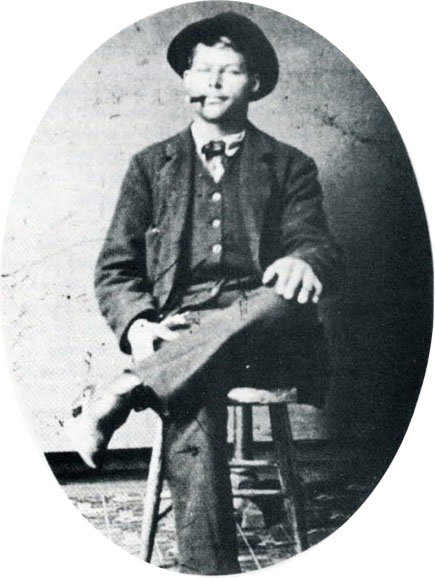
Stillwell had been spotted running from the scene of Morgan’s murder. When he got home, he threatened his wife with a beating, warning her not to tell anyone what she knew.
As he approached Stillwell, from about fifteen feet away: “His guns were in plain sight and I figured he’d jerk them,” Wyatt said, “As I got closer, his right hand started down, but quit halfway and he stood as if he was paralyzed. I never said a word. About three feet from Stillwell I stopped and looked at him. Then he lunged at me.” [Ref]
The gun Wyatt carried was that “short coach gun,” the same type Doc Holliday carried the day of the showdown. It’s basically a sawed off shotgun, carried by the guy riding “shotgun” on a stagecoach. It was a deadly weapon close up, and scared the hell out of you from a distance.
Stillwell, terrified, grabbed at the shotgun barrel, with both hands. The look on his face stayed with Wyatt till the day he died. Wyatt forced the muzzle down to just below Stillwell’s heart. “Morg,” Stillwell said, and then a second time, “Morg” and Wyatt let him have one barrel. Before his body hit the ground, Wyatt let him have the second barrel.
Doc abandoned his dinner when he heard the shot and ran to the station. Virgil had heard it too, and glued his face to the window.
Wyatt shouted to him: “It’s all right Virg! It’s all right! One for Morg!”
The crooked sheriff, Behan, tried to arrest Wyatt the next day, calling out to him as he left the hotel, “Wyatt, I want to see you.”
Earp responded, “Behan, if you’re not careful, you’ll see me once too often.” Wyatt and Doc, along with some deputies mounted their horses, and rode out of town.
The Nugget, The Fox News of the Wild West, told its readers that Wyatt Earp had been run out of town.
The Star news telegraphed from Tombstone in less than an hour after Wyatt Earp left: “The sheriff made a weak attempt to arrest the Earp party, but Wyatt Earp told him he didn’t want to see him. The Earp party then got their horses and rode slowly out of town. There is an uneasy feeling among the outlaw element, as Wyatt Earp is known to be on the trail of those who attempted to assassinate Virgil and who murdered Morgan in cold blood.”
While camped just a couple of miles out of town, Vigilantes sent Wyatt the verdict of the coroner’s jury. Morgan had been murdered by Peter Spence, Frank Stilwell, “John Doe” Fries, and a “halfbreed Indian” known as Florentino Cruz or Indian Charlie, and another “halfbreed Indian,” Hank Swilling.
Before killing Stilwell, Wyatt had seen Hank Swilling at the station that night but didn’t recognize him because he’d been dressed in new, store-bought clothes.
The Vigilantes then told Wyatt and his deputies that Sheriff Behan was raising a posse to arrest them, using the likes of Ike and Phin Clanton, Curly Bill, and Johnny Ringo. Then a second messenger arrived with news that Indian Charlie was at Pete Spence’s ranch.
“I’ve got a warrant for him,” Wyatt said. “Guess I’ll serve it.”
Long story short, Indian Charlie tried to escape, was shot in the leg by one of the deputies and then when questioned, quickly spilled his guts with the whole story of the whos and hows of Virgil’s attack and Morgan’s murder. Like most confessions given under duress, Charlie’s was sprinkled with easily spotted lies, and Wyatt was just about to send him back to town with one of his deputies when he decided to ask something else:
“Neither of my brothers nor I ever harmed you, did we?
“No.”
“Then what made you help kill my brother?”
“Curly Bill, Frank Stilwell, Ike Clanton, John Ringo, they’re my friends. They said we’d all make money if you were out of the way, and Curly Bill, he gave me twenty-five dollars.”
“For what?”
For shooting anybody who interfered while he killed the Earps.
Twenty-five bucks to murder his brother? Wyatt grew enraged. Charlie was wearing two guns. It was time for him to get a chance to use them.
Wyatt made sure that Charlie understood perfectly that he was going to count to three in Spanish, slowly. He told Charlie that could start shooting at the start of the count, but when he got to three, he was going to open up. He told his deputies that if he got killed, Charlie could go free.
Again we see how cool and calm Wyatt Earp stood in the face of danger. This is one thing the movies and historians got right.
Wyatt dismounted and slowly began to count in Spanish. Charlie panicked. He fumbled around hardly able to hang onto his gun and finally had it pointed at Earp on the count of tres when he took one slug in the belly, another between his shoulders, and the last one to his head. He dropped to the ground clutching his weapon in his right hand.
While Sheriff Behan and his gang of outlaws, or “deputies,” planned to use Stillwell’s death to hunt down and murder Wyatt and Doc in cold blood, next door in Pima County, law enforcement wouldn’t have any of that. Sheriff Bob Paul warned the Vigilantes that he knew exactly what Behan and his gang were up to. He also knew that if directed to arrest Earp and Holliday, they would both come along peacefully. And he made it crystal clear that he would not have anything to do with Behan and his gang because they were outlaws and murders, and if they met up with Wyatt Earp, there’d be a fight which Earp wouldn’t lose.
“I have not been ordered to arrest Wyatt Earp. When I am, I shall proceed according to the law.”
It was time to go after Curly Bill.
The movie Tombstone makes their encounter a thing of dramatic beauty, with bullets flying everywhere and our hero wading into a river, Curly Bill firing away at him . . . .Wyatt strolling along like he’s going to church . . . except for all that water.
Of course, it didn’t happen that way.
Wyatt and his group knew about the watering holes, and searched everywhere for fresh tracks but could find none. The spring was up ahead. Wyatt’s horse sped up at the smell of water. Wyatt dismounted with his shotgun in his right hand. Doc, Texas Jack, and Sherm McMasters were still mounted behind him. He stepped onto the sand that didn’t make a sound. The entire hollow came into view with the next step, and with one more step, two men jumped to their feet less than ten yards away. One pulled out a sawed off shot gun and the other headed for the trees.
“Curly Bill!” McMasters yelled out.
Face to face, Bill fired both barrels at Earp, the buckshot tearing through Wyatt’s coat where it had flared out. Bill hurled his gun at Wyatt’s feet and screamed in agony as he fell dead, nearly cut in half by both barrels that Wyatt Earp let him have.
It was then that a shootout any Hollywood director would be ecstatic to film broke out, with Wyatt wondering where the hell his deputies were.
He grabbed at his horse that refused to stay still and shots rang out from the cottonwoods. He rifle was missing (found later hanging down his horse’s leg). Holliday, McMasters, and Johnson were nearly to the rocky shoulder, with Texas Jack halfway between them, his dead horse on top of him.
Wyatt spun about with his six-gun and emptied it into the cottonwoods, and was quickly rewarded with screams of pain. Two possibly three hits.
They’d gotten up so fast, they took to the woods without their rifles, but were now returning a hail of bullets with their six-guns. Once their fear subsided, they grouped into a defensive stand, and Wyatt fired his other six-shooter into the trees to keep their heads down, and then took up his Winchester.
There were just too many of them in that woods. Wyatt had surprised them, but he had been even more surprised because they’d found no signs of a trail to the spring. It seems Curly Bill and his outfit had taken another path other than the usual one.
When Wyatt got back with the others who were a safe distance from the site, Doc said, “That was a great fight you made, Wyatt. How bad are you hit.”
Wyatt replied, “Just my left leg, I guess.” But upon inspection, he found his saddle-horn had been splintered, his coat hung in shreds, his sombrero sported five holes and three more through the brim, and except for a bullet embedded in the high heel of his boot, there wasn’t a scratch.
“Let’s go in and get ‘em,” Doc Holliday grinned.
“We wouldn’t last ten yards across that flat,” Wyatt said. “They’re organized now.”
The Courts
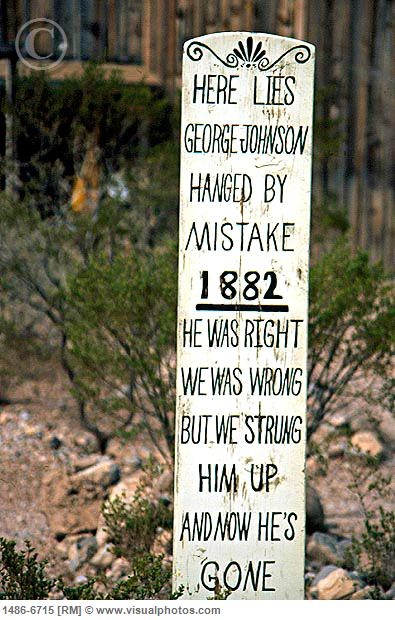
One huge chasm/void in the Western genre are the trials and legal battles. Sure, we have films with some trials, but after a shooting, any shooting there were inquests, coroner reports, witness statements, and, of course, hangings. The Earps and their deputies spent more time in court than in shootouts. Ike Clanton sued for the death of his little brother, Billy. Behan tried to arrest both Earp and Holliday, and later tried extradite them while they were hunting for Morgan’s killers, but the evidence was slim, his gang of thugs got labeled by the courts as outlaws, and finally his warrants went nowhere. Behan eventually gave up and returned to Tombstone where he died.
The film Tombstone gives John Ringo a great sendoff, taking a bullet between the eyes, put there by Doc Holladay, but that’s Hollywood for you.
Ringo was found dead with a bullet in his head. There were rumors and stories abounding, though many thought he’d committed suicide. Ike Clanton was shot and killed by a lawman trying to arrest him for cattle-rustling. Doc moved to Colorado where he died of his tuberculosis. There are two stories about his last day, one in which he called for his daily shot of whisky and drank it down with a smile, and another in which he called for some whiskey, but his nurse refused. Either way, he’d always said that he’d die with his boots on, but he looked down only to see his bare feet and exclaimed, “This is funny,” his last words.
Once Again
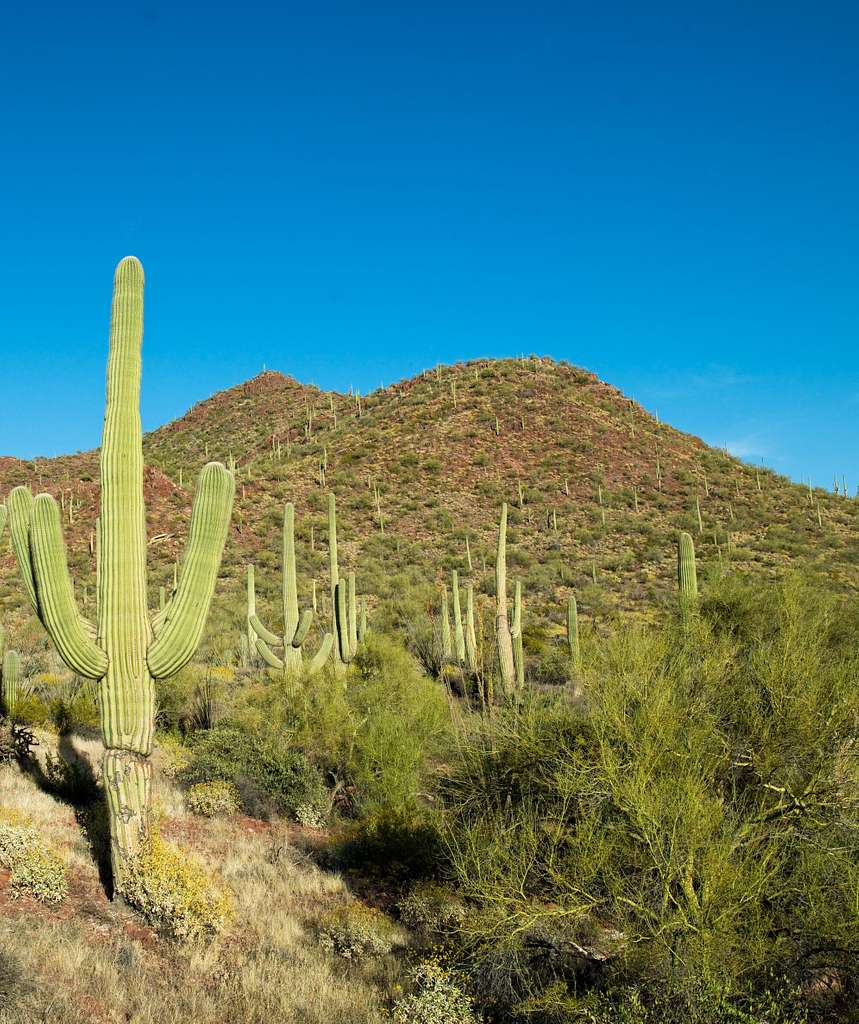
This all started by my watching John Ford’s My Darling Clementine, considered one of his best. Everything was just so far from reality that I spent most of my time pausing it because historical inaccuracies, and searching the web on my phone. Even the location stood out for being over-obviously nowhere near Tombstone, Arizona. For those of us who’ve travelled about the south west, or who have studied Western films, John Ford filmed this one in Monument Valley, Utah. And since the saguaro cactus (referred to by my mother as the cactus that is signaling a right turn) is endemic only to Arizona, all the saguaros in Ford’s film were fake (I found out later they were made of rubber.)
Because I’m a contributor to IMDB (Internet Movie Database [click to see the biographies I’ve written]), I went to post some of the things I’d spotted only to find the trivia and goof sections for My Darling Clementine were bursting at the seams. So, if you want to read all the discrepancies between the film and reality, that’s a great place to start.
I’m pretty sure no one has yet to point out that when the Earps came to town, every film made thus far shows Tombstone, Arizona to be a bustling city. In actuality, when they arrived in late 1879, there were fewer than 1,000 inhabitants, and Tombstone was but a tent-city, with just a few temporary buildings. It was a silver mining town, and like most of these mining towns, the first buildings to go up were the saloons and brothels, the money-makers.
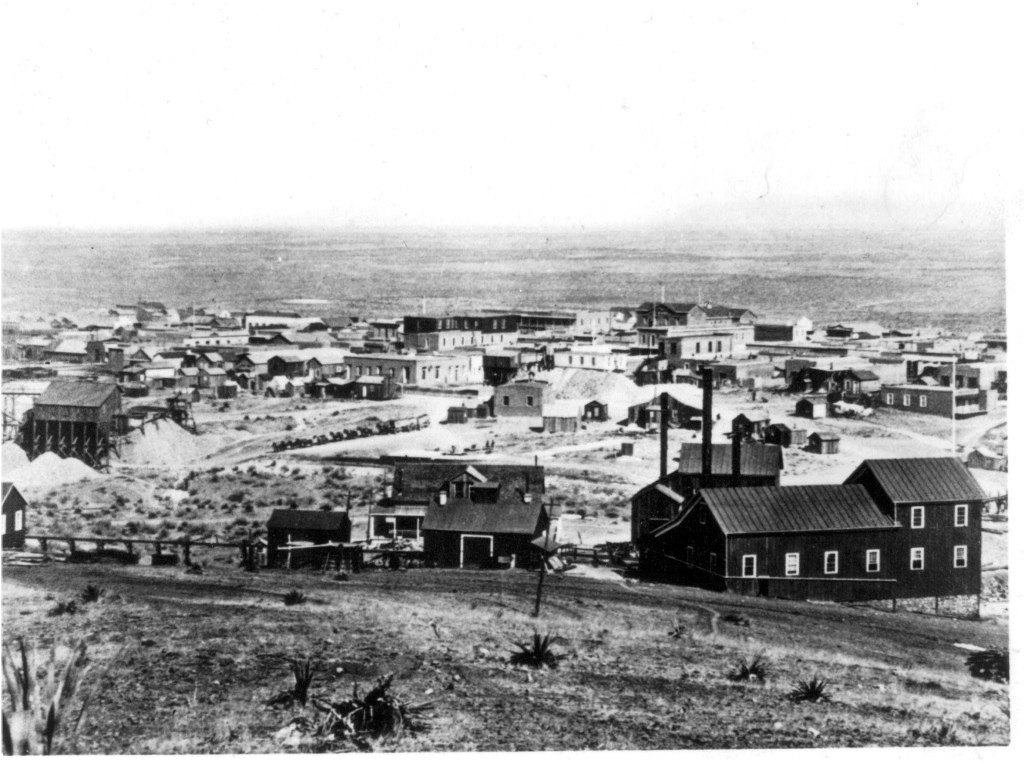
One thing I will never understand is this: The actual story, with all the facts we know, would make one hell of a movie, and yet Hollywood just can’t seem to do that.
We are truly blessed with a wonderful compendium of information (the internet) although one has to be careful of all the fake news, twisted memes, and mythologies decorating the worldwide web. For those of you who want to read more, I’m posting this section:
Further Reading:
Wyatt Earp: Frontier Marshal, by Stuart N Lake (found at archive.org; please support this site; I don’t know what I’d do if it shut down; such a treasure).
Wikipedia—sure, anyone can post anything, so, as a journalist, I always check references. But having read for hours upon hours the backstories to the Earps, the Clantons, and everyone else, I’m convinced that what is posted there is some great stuff. Oh, and did you know that the Earps and the Clantons were long distance relatives?
Under Cover for Wells Fargo (a firsthand account of the goings on way back then)
IMDB (Internet Movie Database)
Should you find more sources that are rich in information, feel free to send them to me at david@wellnessjourneys.org, and thank you in advance.
Fair Use
We are a 501 (c)(3) charitable organization.
The material on this site is provided for educational and informational purposes, as well as a bit of entertainment. Our focus is health and wellness, history, and educational subjects such as journalism, economics, and climate change. Though some of the material (much of which has been sent to us by readers), might be copyrighted, we have tried to link back to original sources. Much is believed to be public domain.
We believe this constitutes a “fair use” of copyrighted material as provided for in section 107, of the US Copyright Law. In accordance with Title 17 USC Section 107, the material on this site is distributed without profit to those who have an interest in using the included information for research and educational purposes. If you wish to use copyrighted material from this site for purposes of your own that go beyond “fair use,” you must obtain permission from the copyright owner. The information on this site does not constitute medical, legal, or technical advice.